The $260 Million Legal Battle: Tyler Perry vs. Derek Dixon Explained
In mid-2025, the entertainment world was shaken by a high-profile civil complaint: the Tyler Perry lawsuit Derek Dixon. Filing a 46-page complaint in Los Angeles Superior Court, actor and screenwriter Derek Dixon accused the media mogul of a sustained pattern of sexual harassment, assault, and professional retaliation. Seeking $260 million in damages, the case has become a significant touchstone for discussions regarding power dynamics and workplace safety in Hollywood.
Origins of the Relationship
According to the court filings, Dixon first met Perry in 2019 while working as event staff at a party hosted by Tyler Perry Studios in Atlanta. Following this initial meeting, Dixon was offered an audition and eventually cast in a small role on the series Ruthless. His professional relationship with Perry expanded when he was cast as “Dale” in the political drama The Oval, a role he held for 85 episodes across several seasons.
The lawsuit alleges that Perry’s interest in Dixon quickly moved beyond professional mentorship. Dixon claims that Perry began sending suggestive and unwanted text messages, including one frequently cited in the complaint that asked, “What’s it going to take for you to have guiltless sex?” These digital interactions reportedly set the stage for more aggressive physical encounters.
Allegations of Quid Pro Quo and Retaliation
The core of the Tyler Perry lawsuit Derek Dixon centers on allegations of “quid pro quo” harassment. Dixon alleges that Perry used his immense industry influence to coerce him into a sexually exploitative dynamic. The complaint details several specific incidents, including an alleged assault at Perry’s home in Georgia in early 2020 and a guest house incident in June 2021.
Dixon asserts that Perry used the survival of his character on The Oval as leverage. According to the suit, Perry allegedly told Dixon that characters who failed to stay on his “good side” could easily be “killed off.” This threat of professional termination is a common theme in high-stakes entertainment litigation, similar to themes explored in the Tarek El Moussa wrongful termination lawsuit.
The Pilot Project: “Losing It”
A unique aspect of this case involves a television pilot titled Losing It, which Dixon had written. The lawsuit claims that Perry purchased the rights to the pilot and promised to produce it as a way to secure Dixon’s silence and loyalty. However, Dixon alleges that Perry never actually intended to air or sell the show, using it solely as a tool for emotional and professional manipulation.
Tyler Perry’s Legal Defense
Tyler Perry and his legal team, led by attorney Matthew Boyd, have categorically denied the allegations. In public statements and court filings, Perry’s defense has labeled the lawsuit a “scam” and a “shakedown attempt.” They argue that the claims are fabricated and that Dixon’s lawsuit lacks merit, pointing to jurisdictional issues and existing contractual clauses as grounds for dismissal.
This defensive strategy mirrors other corporate and celebrity battles where the defendant claims the lawsuit is a tactical move for financial gain, as seen in the Walmart class action lawsuit 2025 or even the Jason Killinger lawsuit. Perry’s team maintains that they will not be “shaken down” and intend to fight the charges in court.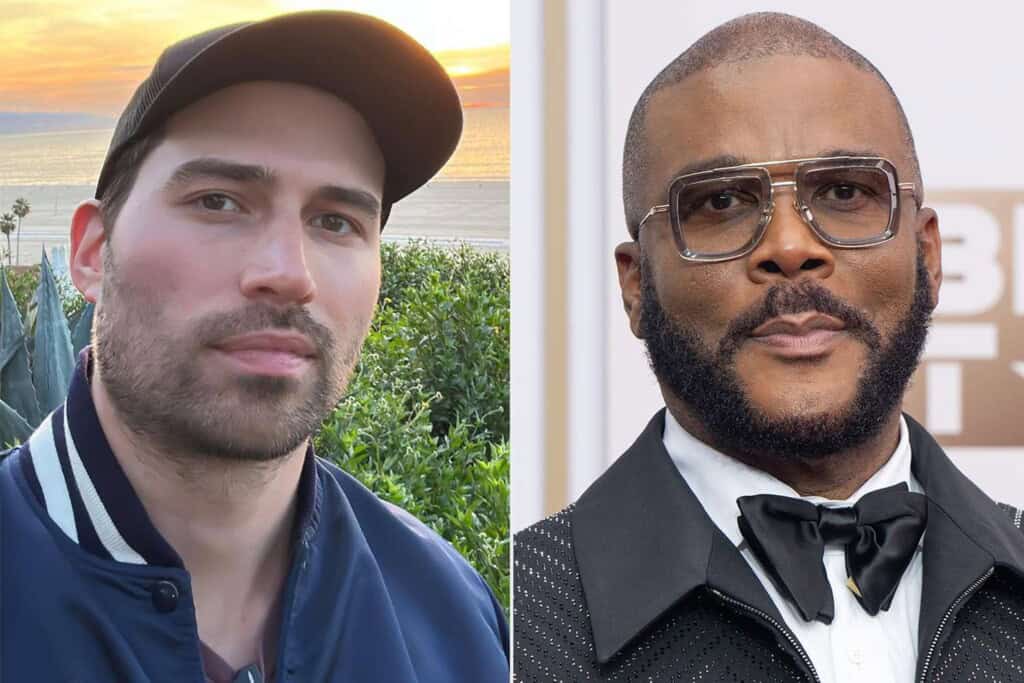
Current Status and Industry Impact
As of 2026, the case remains one of the most closely watched legal battles in the industry. Dixon filed an official complaint with the EEOC in early 2025 before proceeding with the civil suit. The massive $260 million figure sought by Dixon is intended to cover lost income and emotional distress, but as Dixon stated in interviews, it also serves as a “deterrent” for other powerful figures in the industry.
Conclusion
The Tyler Perry lawsuit Derek Dixon highlights the ongoing challenges of regulating workplace conduct within private production environments. Regardless of the final verdict, the case has forced a public re-examination of how mentorship and power are exercised behind the scenes of major television productions. Legal experts suggest this case could set a precedent for how “character leverage” and creative promises are interpreted in future entertainment-based harassment suits.