Garmin Strava Lawsuit: 2026 Update on the API Branding War and Dismissal
The Garmin Strava lawsuit, a brief but explosive legal confrontation that rattled the fitness technology industry, has reached a stable—if tense—equilibrium as of March 2026. The conflict, which began with a surprise patent infringement filing by Strava in September 2025, concluded just 21 days later when Strava voluntarily dismissed the case. While the “courtroom phase” is over, the underlying “branding war” has permanently altered how workout data is displayed across the two platforms, marking a shift toward more aggressive corporate ecosystem protection.
The Patent Infringement Claims and Injunction Request
On September 30, 2025, Strava filed a lawsuit in U.S. Federal Court in Colorado, accusing Garmin of infringing on three foundational patents: U.S. Patent No. 9,116,922 (Segments), No. 9,778,053 (Heatmaps), and No. 9,297,651 (Popularity Routing). Strava alleged that Garmin violated a 2015 Master Cooperation Agreement (MCA) by studying Strava’s proprietary technology to launch competing features like Garmin Segments and Trendline Popularity Routing. The lawsuit made shockwaves by seeking a permanent injunction to ban the sale of nearly all Garmin fitness devices, including the Fenix, Forerunner, and Edge series. This high-stakes legal maneuvering regarding intellectual property boundaries is a recurring 2026 theme, mirroring the technical disputes in the Google class action lawsuit 2025.
Industry experts, including DC Rainmaker, initially expressed skepticism regarding the strength of Strava’s patents. Analysts noted that Garmin had introduced its own heatmap and segment features in 2013 and 2014, respectively—predating the granting of several Strava patents. This “prior art” defense suggested that Garmin could have successfully moved to invalidate Strava’s intellectual property. This potential for technological invalidation parallels the scrutiny currently facing private data structures in the Maryland federal judges lawsuit, where the limits of digital ownership are being redefined.
The “API Ultimatum” and Branding Conflict
Behind the patent claims sat a more immediate dispute over data attribution. In July 2025, Garmin updated its API Developer Guidelines, requiring that its logo or specific “Garmin [Device Model]” text be displayed on every activity post or graph derived from Garmin hardware. Strava’s Chief Product Officer, Matt Salazar, publicly criticized the move on Reddit, calling it “blatant advertising” that would degrade the user experience. Garmin reportedly issued a November 1, 2025 deadline: comply with the branding or lose access to the Garmin Connect API. Losing this connection would have been catastrophic for Strava, as a majority of its paid subscribers record their activities on Garmin devices. This struggle over platform sovereignty echoes the “public trust” arguments found in the Utah Great Salt Lake lawsuit.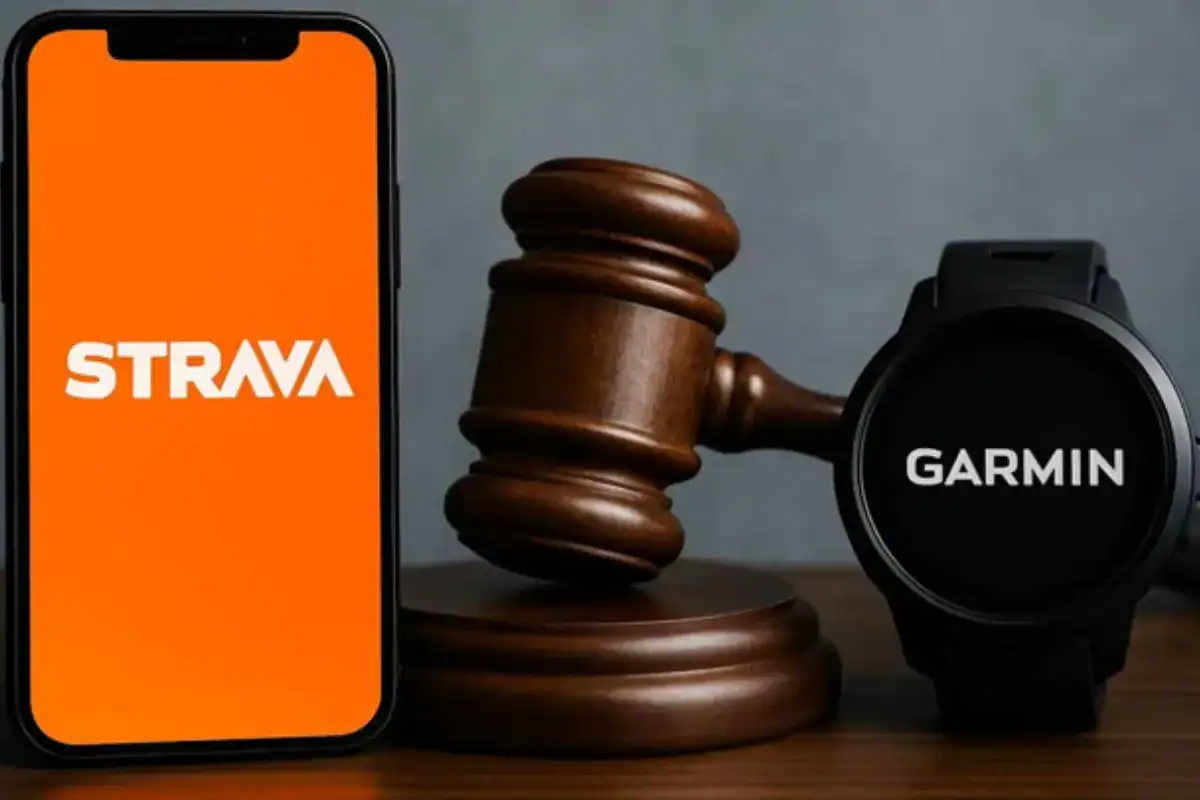
The October 2025 Dismissal and New Branding Norms
In a surprising reversal, Strava filed a notice of voluntary dismissal on October 21, 2025. The case was dismissed without prejudice, meaning Strava technically retains the right to refile in the future. However, the dismissal appeared to be a strategic retreat. By late October, Strava began implementing the branding requirements it had initially fought. As of 2026, every Garmin-recorded activity on Strava now features a prominent “Powered by Garmin” or device-specific label. To maintain a sense of platform neutrality, Strava expanded this feature to include badges for Apple Watch, Suunto, Wahoo, and Peloton, framing the change as a “transparency feature” for the community.
The Garmin Strava lawsuit also coincided with Strava’s preparations for its highly anticipated **2026 Initial Public Offering (IPO)**. Financial analysts suggest that the lawsuit may have been a tactic to demonstrate to potential investors that Strava has a valuable patent portfolio it is willing to defend aggressively. However, the move backfired with users; many premium subscribers threatened to cancel their accounts if the Garmin sync was interrupted. This consumer backlash highlights a growing trend in 2026 where “platform stickiness” is the ultimate currency, a concept also seen in the ongoing TDE lawsuit settlement discussions.
Conclusion: The End of Open-Platform Cooperation
While the Garmin Strava lawsuit was short-lived, it effectively ended the “jovial era” of cooperation between the two giants. Garmin has since deepened its integration with Strava rivals like Komoot, and Strava has pivoted toward building a more self-contained ecosystem that relies less on hardware-specific data. For the millions of runners and cyclists who use both, the 2026 landscape is one of “co-branded” peace, where data flows freely but with permanent corporate labels attached. For more on how tech companies are navigating data sovereignty and civil litigation in 2026, explore our latest reports on the Wisconsin mobile voting lawsuit and the Everglades immigration center lawsuit.