Chobani Endocrine Disruptor Lawsuit 2026: Court Weighs Dismissal in Phthalate Contamination Case
As of March 2026, the “Only Natural Ingredients” marketing of yogurt giant Chobani remains under intense legal scrutiny. The Chobani endocrine disruptor lawsuit (Wysocki v. Chobani, LLC), filed in April 2025, has reached a critical procedural juncture in the U.S. District Court for the Southern District of California. The class action alleges that despite prominent labels claiming its Greek yogurt contains “only natural ingredients,” independent testing has detected the presence of synthetic phthalates—chemicals used to soften plastics that are known to interfere with the human hormone system. This battle over “clean label” integrity is a defining 2026 issue, drawing parallels to the transparency mandates in the Google class action lawsuit 2025.
The Allegations: Plastic Leaching and “Only Natural” Claims
The lawsuit, brought by California resident Amy Wysocki, centers on third-party testing conducted by the organization PlasticList. The results reportedly found four types of phthalates—including DEHP, DEP, and DBP—within Chobani’s Nonfat Plain and Whole Milk Plain Greek Yogurt products. Phthalates are widely recognized as endocrine disruptors, which can mimic or block natural hormones, potentially leading to reproductive issues, developmental delays, and increased cancer risks. This focus on “unseen” synthetic contaminants is a recurring 2026 theme, much like the technical liability arguments in the Krafton Subnautica 2 lawsuit and the consumer redress sought in the Amazon refunds lawsuit.
Plaintiffs argue that these chemicals likely leached into the yogurt from the polypropylene (PP) plastic containers or during the manufacturing process. The crux of the legal argument is not necessarily that the levels exceed FDA safety limits, but that the presence of any man-made plastic chemical renders the “Only Natural Ingredients” claim false and misleading. This debate over the “legal definition of natural” is a hallmark of 2026 litigation, also seen in the administrative standards of the Maryland federal judges lawsuit.
March 2026 Update: The Motion to Dismiss
In a major update from February 24, 2026, Chobani has moved to dismiss the litigation, characterized by the company as “meritless.” During a recent hearing, Chobani’s defense team argued that the plaintiff failed to provide definitive proof that the detected phthalates pose a specific health risk to humans at the found concentrations. Furthermore, the company maintains that it does not add these chemicals to its products, and therefore its “ingredients” list remains accurate. While the court indicated in late 2025 that it might dismiss the case, a formal order has been delayed as the judge reviews supplemental filings regarding “unavoidable” environmental contaminants. This procedural friction mirrors the discovery battles seen in the TDE lawsuit and the Steven Bonnell Lawsuit.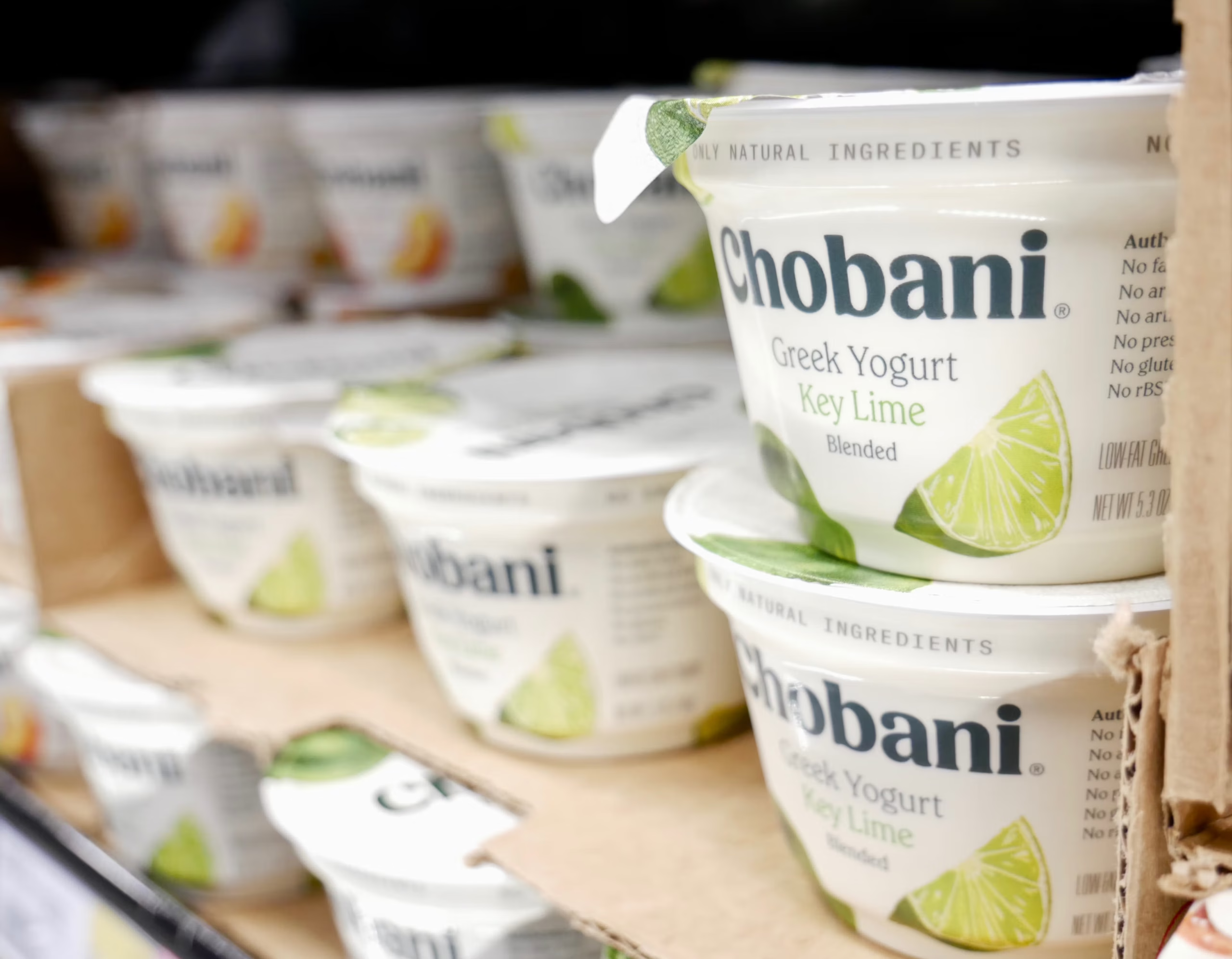
Wider Context: The “Clean Label” Crackdown of 2026
The Chobani endocrine lawsuit is part of a broader 2026 crackdown on food companies using “natural” and “organic” marketing while utilizing plastic packaging. In 2024 and 2025, similar testing by Consumer Reports found phthalates in nearly every food category, sparking a national dialogue on “PFAS” and “forever chemicals” in the food supply. This push for total supply chain transparency is a national priority, also seen in the environmental safety mandates of the Utah Great Salt Lake lawsuit and the labor protections sought in the Wren Clair lawsuit.
For Chobani, the stakes are both financial and reputational. While the company successfully defeated a “Zero Sugar” allulose lawsuit in May 2025, the phthalate allegations strike at the core of its “health-first” brand identity. If the case proceeds to discovery, it could force the disclosure of Chobani’s internal purity reports and plastic supplier contracts. This reputational risk is a significant trend in 2026, also observed in the Lively Baldoni Swift text messages lawsuit and the Candace Owens Macron lawsuit.
Conclusion: A Precedent for Packaging Liability
The Chobani endocrine disruptor lawsuit of 2026 serves as a definitive statement on the “duty of disclosure” regarding food packaging. It asks a fundamental question: can a product truly be marketed as “only natural” if its container introduces synthetic toxins? As we await the court’s formal ruling this spring, the outcome will likely redefine how food brands must substantiate their labeling in an era of increasing chemical awareness. For more on how 2026 litigation is reshaping technology, civil rights, and corporate responsibility, explore our latest reports on the Wisconsin mobile voting lawsuit and the Everglades immigration center lawsuit.