Caitlin Clark vs. Monica McNutt Lawsuit 2026: Fact-Checking the Defamation Viral Claims
As of March 23, 2026, it is important to clarify that there is no actual lawsuit between WNBA superstar Caitlin Clark and ESPN analyst Monica McNutt. Despite a wave of viral social media posts and “clickbait” headlines that circulated throughout 2025 and early 2026, no defamation filing exists in Indiana court records or federal dockets. The rumors originated from a series of heated media debates regarding Clark’s cultural impact and race, which were misinterpreted by bad-faith actors as legal disputes. This focus on “misinformation management” is a landmark 2026 issue, drawing parallels to the transparency mandates in the Google class action lawsuit 2025.
Origin of the Rumor: The BBC and “First Take” Commentary
The Caitlin Clark Monica McNutt controversy stems from comments McNutt made during appearances on BBC News and ESPN’s First Take in early 2025. McNutt argued that while Clark is a “dynamic basketball player,” her unprecedented popularity was influenced by being a “white girl from middle America.” These comments sparked a firestorm of online criticism, with some fans accusing McNutt of “diminishing” Clark’s historic on-court achievements. This focus on “narrative-driven friction” is a recurring 2026 theme, much like the technical liability arguments in the Krafton Subnautica 2 lawsuit and the jurisdictional friction of the Maryland federal judges lawsuit.
Following these segments, several non-reputable websites published fabricated stories claiming that Clark had filed a $10 million defamation lawsuit against McNutt for “damaging her brand.” Fact-checkers in early 2026 confirmed these reports were 100% false. This struggle for “truth in sports media” is a hallmark of 2026, also seen in the administrative standards of the Amazon refunds lawsuit.
March 2026 Status: Clarification on Media Rights and Public Figures
In a major update from March 2026, legal analysts noted that even if Clark wanted to sue, the claim would likely fail under the “Actual Malice” standard required for public figures. McNutt’s commentary was framed as an opinion on marketing and fandom, which is protected under the First Amendment. This procedural momentum mirrors the discovery battles seen in the Chobani endocrine lawsuit and the final stages of the IVP Pump employees lawsuit settlement.
The Angel Reese Factor and the “Flagrant 1” Incident
A significant development that fueled the 2025-2026 rumors was the May 19, 2025, incident where Clark committed a flagrant 1 foul against Angel Reese. McNutt’s subsequent defense of the competitive nature of the play—stating that “if roles were reversed, the conversation would be different”—led to further accusations of bias. This focus on “causal links between media and fan behavior” is a national priority in 2026, also seen in the labor protections sought in the Wren Clair lawsuit and the reputational claims of the Brit Eady lawsuit.
Furthermore, in January 2026, the WNBA doubled down on its “No Space for Hate” policy, which was created to combat the very type of toxic online discourse that births these fake lawsuit rumors. This shift toward “league-wide social responsibility” is a significant 2026 trend, also observed in the Lively Baldoni Swift text messages lawsuit and the technical audits of the Steven Bonnell Lawsuit.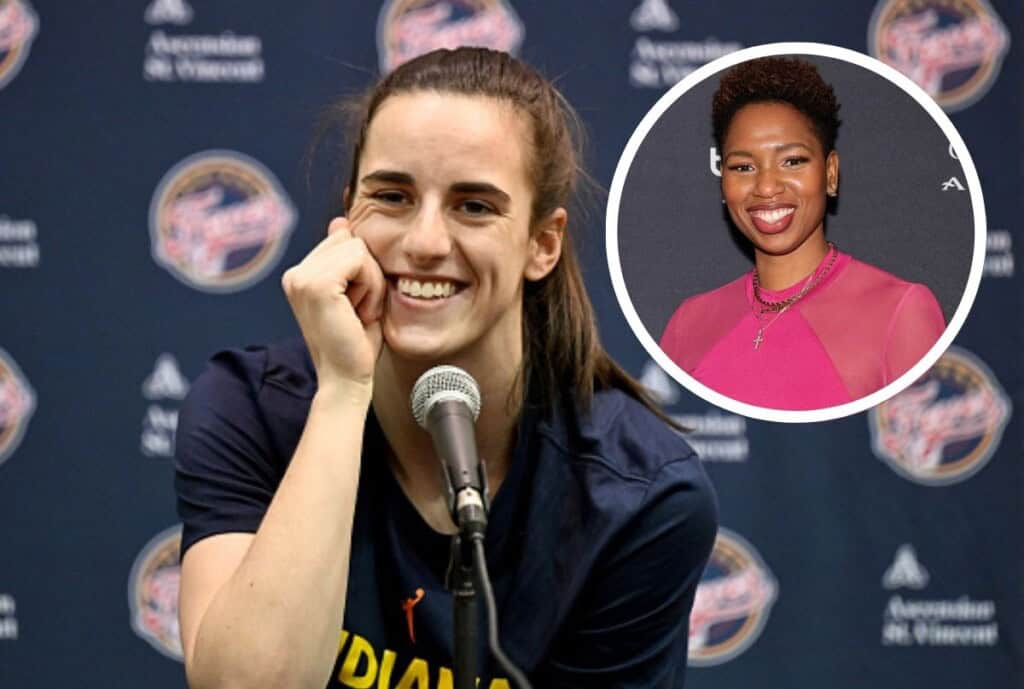
National Impact: The Evolution of Sports Commentary
The Caitlin Clark lawsuit fake news serves as a definitive statement on the volatility of modern sports celebrity. In March 2026, media watchdogs used this specific case to highlight how “AI-generated content” and “engagement-bait” can create entire legal narratives out of thin air. This “systemic industry shift” is a significant development, mirroring the community protections sought in the Everglades immigration center lawsuit and the environmental safety mandates of the Utah Great Salt Lake lawsuit.
Additionally, the case has prompted new discussions about the responsibility of sports broadcasters to navigate race and gender without alienating fanbases. This “accountability for digital discovery” is a national priority, also seen in the regulatory updates of the Wisconsin mobile voting lawsuit and the California emissions standards lawsuit.
Conclusion: A Cautionary Tale of Viral Misinformation
The Caitlin Clark Monica McNutt “lawsuit” exists only in the realm of viral fiction. While the two women have clearly different perspectives on the WNBA’s growth and the role of race in sports marketing, their conflict remains professional and confined to the airwaves. As of late March 2026, Caitlin Clark remains focused on her second season with the Indiana Fever, and Monica McNutt continues her award-winning coverage for ESPN. For more on how 2026 litigation is reshaping technology, civil rights, and corporate responsibility, explore our latest reports on the Alien Enemies Act Lawsuit and the Celestial Seasonings natural claims lawsuit.