Brit Eady Lawsuit Update 2026: Bravo Fires Back at $20M Sexual Harassment Claims
As of March 23, 2026, the explosive legal battle between former Real Housewives of Atlanta (RHOA) star Brit Eady and the Bravo network has reached a high-stakes standoff. Following a series of procedural delays in late 2025, Bravo and its parent company, NBCUniversal, filed a comprehensive motion to dismiss the $20 million Brit Eady lawsuit on March 18, 2026. The network’s legal team characterized the complaint as an “attempt to rewrite history” and a violation of the talent contracts Eady signed prior to joining Season 16. This clash over contractual “assumed risks” in reality television is a landmark 2026 issue, drawing parallels to the transparency mandates in the Google class action lawsuit 2025.
The Origins of the “Hair Spa” Scandal
The litigation stems from a June 2024 incident filmed for RHOA Season 16, where veteran cast member Kenya Moore displayed a poster board at her hair spa opening containing explicit images that she alleged depicted Brit Eady. Eady, who was not present at the event, filed her lawsuit in June 2025, claiming defamation, sexual harassment, and the intentional infliction of emotional distress. She has consistently maintained that the woman in the explicit photos—which were later aired in a blurred format in April 2025—is not her. This focus on “digital misidentification” is a recurring 2026 theme, much like the corporate liability arguments in the Krafton Subnautica 2 lawsuit and the reputational claims in the Lively Baldoni Swift text messages lawsuit.
A primary point of contention in 2026 is Eady’s allegation that production “willfully and recklessly” aired the episode despite her repeated requests to view the images beforehand. She argues that Bravo knowingly fostered a hostile work environment by allowing the “gendered attack” to proceed. This debate over “production negligence” is a hallmark of 2026 media law, also seen in the administrative standards of the Maryland federal judges lawsuit and the jurisdictional friction in the Amazon refunds lawsuit.
March 2026: Bravo’s “Contractual Commitment” Defense
In its latest March 2026 court filing, Bravo asserts that Eady was fully warned of the “provocative conduct” inherent in reality TV. The network points to specific clauses in her contract stating that production could involve “stressful or emotionally challenging” interactions with other cast members. Bravo’s lawyers further argue that the network cannot be held liable for Moore’s independent actions, especially since Moore was suspended and subsequently not invited back for Season 17. This defense of “independent contractor liability” is a significant 2026 trend, also observed in the IVP Pump employees lawsuit settlement and the labor protections sought in the Wren Clair lawsuit.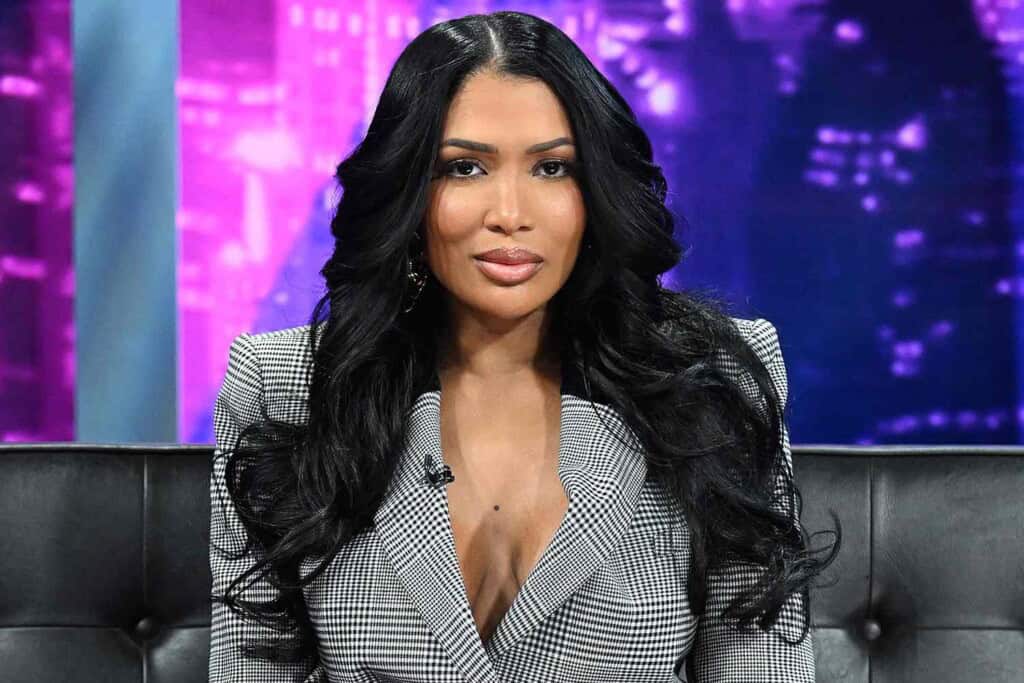
The “Revenge Porn” Debate and Industry Impact
While the network seeks dismissal, legal experts suggest the Brit Eady lawsuit may have “teeth” due to the nature of the images shown. Because the episode aired reactions to what was presented as sexually explicit content, some analysts believe the case could move toward a jury trial on the grounds of “non-consensual sexual content” (NCSC) or revenge porn statutes. This push for stricter “content standards” in the streaming era is a national priority in 2026, also seen in the privacy protections sought in the Steven Bonnell Lawsuit and the forensic audits in the Terrifier lawsuit.
The financial stakes for Bravo are high; a $20 million judgment or a massive settlement could fundamentally change how Real Housewives franchises are produced and edited. As of late March 2026, the case remains ongoing in the New York State Supreme Court, with a judge expected to rule on the motion to dismiss by early summer. This reputational and financial risk is a significant development in 2026, mirroring the community protections sought in the Everglades immigration center lawsuit and the voter integrity claims in the Wisconsin mobile voting lawsuit.
Conclusion: A Shift in Reality TV Accountability
The Brit Eady lawsuit updates of 2026 serve as a definitive statement on the limits of “dramatic” production. It asks whether a network’s right to unscripted drama ends where a cast member’s right to sexual privacy begins. As the legal teams prepare for their next round of oral arguments this spring, the outcome will likely redefine the “duty of care” networks owe to their reality stars. For more on how 2026 litigation is reshaping technology, civil rights, and corporate responsibility, explore our latest reports on the Jason Killinger Lawsuit and the Candace Owens Macron lawsuit.