Apple v. Jon Prosser 2026 Update: Court Enters Default Judgment Over “Brazen” iOS 26 Trade Secret Theft
As of March 23, 2026, the high-profile legal battle between Apple Inc. and tech YouTuber Jon Prosser (Front Page Tech) has reached a critical turning point. Following a series of missed court deadlines, a federal judge in California officially entered a default judgment against Prosser in February 2026. The lawsuit, originally filed in July 2025, centers on allegations that Prosser engaged in a “coordinated scheme” to misappropriate trade secrets related to the iOS 26 “Liquid Glass” redesign. This battle over “journalistic privilege” versus “corporate espionage” is a landmark 2026 issue, drawing parallels to the transparency mandates in the Google class action lawsuit 2025.
The Allegations: The “FaceTime Heist” of a Development iPhone
According to the 2025 complaint, the Jon Prosser lawsuit stems from an incident involving an Apple development iPhone belonging to then-employee Ethan Lipnik. Apple alleges that Prosser’s associate, Michael Ramacciotti, accessed the device without authorization while visiting Lipnik’s home. Ramacciotti then allegedly conducted a FaceTime call with Prosser, showing him the unreleased iOS 26 interface in real-time. This allowed Prosser to publish highly accurate renders of the “Liquid Glass” UI, circular app icons, and the redesigned Messages app months before WWDC 2025. This focus on “unauthorized access” is a recurring 2026 theme, much like the technical liability arguments in the Krafton Subnautica 2 lawsuit and the jurisdictional friction of the Maryland federal judges lawsuit.
Apple fired Lipnik for failing to secure the device and is now seeking punitive damages against Prosser and Ramacciotti, citing “willful and malicious misappropriation.” This struggle for “intellectual property protection” is a hallmark of 2026 tech law, also seen in the administrative standards of the Amazon refunds lawsuit.
March 2026 Status: Deposition Coordination and Discovery Conflicts
In a major update from February 20, 2026, court filings revealed that Apple and Prosser are finally coordinating a deposition date. Despite the default judgment—which essentially rules in Apple’s favor on the question of liability—the court must still determine the financial damages Prosser owes. Apple has served Prosser with subpoenas for documents and testimony to uncover the full extent of the leaked information he possesses. This procedural momentum mirrors the discovery battles seen in the Chobani endocrine lawsuit and the final stages of the IVP Pump employees lawsuit settlement.
The $650 Payment and the “Fanboy” Defense
A significant development in late 2025 involved co-defendant Michael Ramacciotti, who attempted to distance himself from Prosser. In a formal filing, Ramacciotti’s lawyers argued he was merely a “lifelong Apple fanboy” who didn’t appreciate the legal gravity of his actions. He admitted to the FaceTime call but denied a “pre-arranged conspiracy,” claiming a $650 payment from Prosser arrived only after the leak had occurred. This focus on “intent vs. action” is a national priority in 2026, also seen in the labor protections sought in the Wren Clair lawsuit and the reputational claims of the Brit Eady lawsuit.
Prosser, meanwhile, has remained defiant on social media. Despite the default judgment, he told followers in early 2026 that he has been in “active communications” with Apple and is not ignoring the case. This shift toward “public-facing legal strategies” is a significant 2026 trend, also observed in the Lively Baldoni Swift text messages lawsuit and the technical audits of the Steven Bonnell Lawsuit.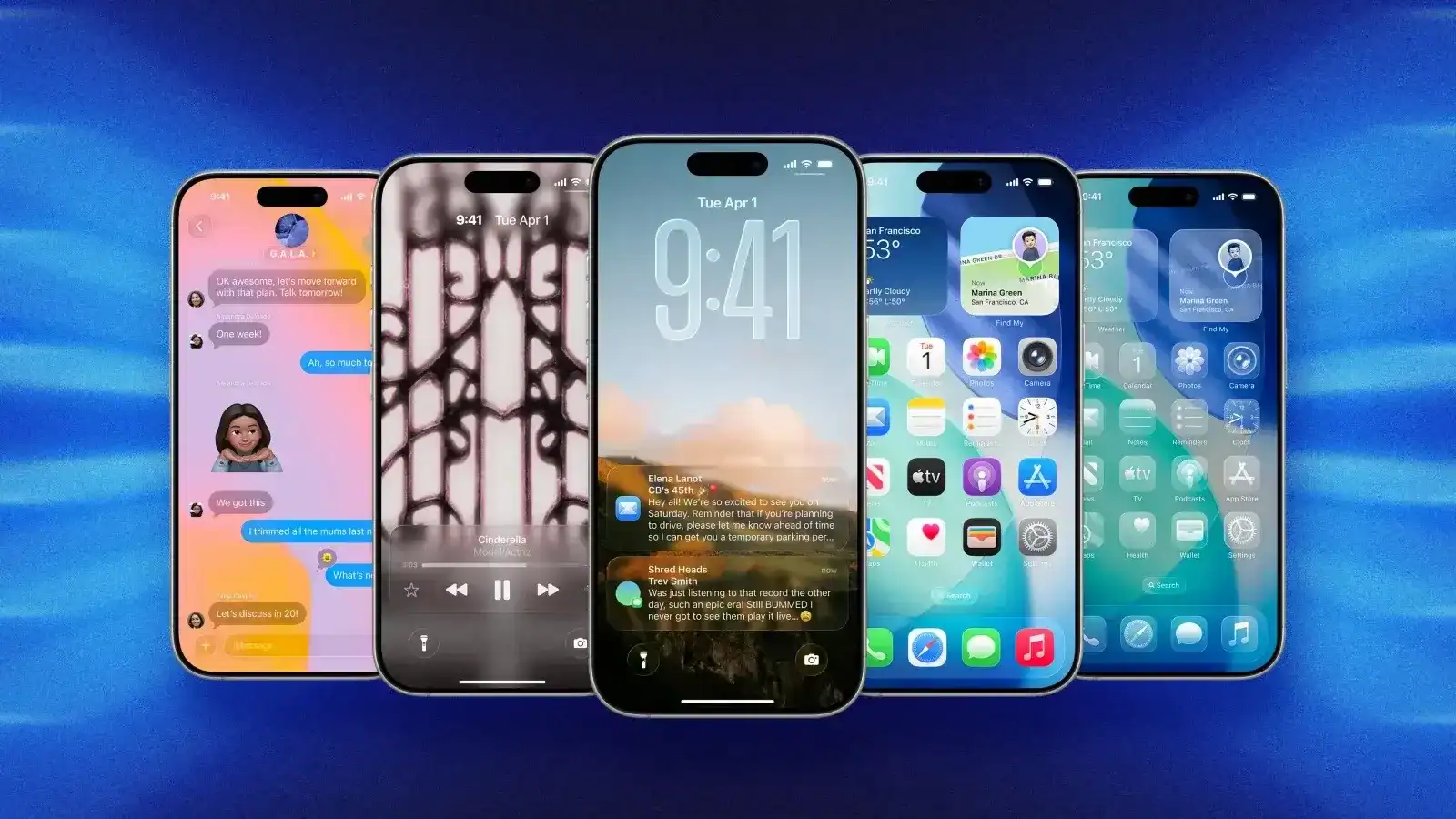
National Impact: The Future of Tech Leaking
The iOS 26 leaks lawsuit is being closely watched as a potential precedent-setter for how tech giants handle “leakers” who are not traditional journalists. In March 2026, legal experts noted that Apple’s use of the Computer Fraud and Abuse Act (CFAA) in this case could criminalize the act of viewing unreleased software via FaceTime. This “regulatory tightening” is a significant development, mirroring the community protections sought in the Everglades immigration center lawsuit and the environmental safety mandates of the Utah Great Salt Lake lawsuit.
Additionally, the case has prompted new discussions regarding NDAs for remote workers, as the leak occurred in a private residence. This “systemic reform” effort is a national priority, also seen in the regulatory updates of the Wisconsin mobile voting lawsuit and the California emissions standards lawsuit. A second case status update for Apple v. Prosser is currently scheduled for April 13, 2026.
Conclusion: The End of the “Wild West” for Apple Rumors?
The Jon Prosser iOS 26 lawsuit serves as a definitive statement on Apple’s intolerance for breaches involving physical development hardware. While renders based on supply chain rumors continue to circulate, the legal hammer brought down on Prosser suggests that “direct access” leaks will face aggressive prosecution in the future. As the parties head toward a deposition in the spring of 2026, the tech community remains divided on whether this is a necessary defense of trade secrets or an overzealous crackdown on enthusiasts. For more on how 2026 litigation is reshaping technology, civil rights, and corporate responsibility, explore our latest reports on the Alien Enemies Act Lawsuit and the Celestial Seasonings natural claims lawsuit.