UT Austin Chat Apps Lawsuit 2026: The Fight Over “Prohibited Technologies” and Academic Communication
As of March 23, 2026, the University of Texas at Austin (UT Austin) is at the center of a burgeoning legal debate regarding the use of third-party chat applications and “prohibited technologies” on campus. Following the full implementation of UTS 200 in February 2025—a policy that strictly bans apps like TikTok, WeChat, and DeepSeek from all university-owned networks and personal devices used for state business—new litigation is testing the boundaries of student privacy and academic freedom. This battle over digital communication and cybersecurity is a landmark 2026 issue, drawing parallels to the transparency mandates in the Google class action lawsuit 2025.
The Prohibited Technology Ban: From TikTok to DeepSeek
The UT Austin chat apps lawsuit trajectory was fundamentally altered by Senate Bill 1893 and Governor Greg Abbott’s executive directives. As of March 2026, the list of banned applications has expanded beyond TikTok to include a wide array of foreign-owned software such as Alipay, Lemon8, and Tencent Holdings’ platforms. The university’s Risk and Compliance Services reaffirmed on February 27, 2025, that any student employee or faculty member performing university business—including research or official communication—must uninstall these apps from personal devices if those devices also access UT systems. This focus on “cybersecurity compliance” is a recurring 2026 theme, much like the technical liability arguments in the Krafton Subnautica 2 lawsuit and the administrative standards of the Maryland federal judges lawsuit.
Plaintiffs in recent 2026 filings argue that these bans effectively “blackout” essential communication tools used by international students and researchers. For many, apps like WeChat are the primary means of contacting family and professional peers abroad. This struggle for “digital connectivity” is a hallmark of 2026 higher education law, also seen in the jurisdictional friction of the Amazon refunds lawsuit.
March 2026 Status: The Texas App Store Accountability Act Injunction
A significant development impacting the availability of these apps occurred on January 9, 2026, when a federal judge in the Western District of Texas granted a preliminary injunction blocking the Texas App Store Accountability Act. The law, which was set to take effect on January 1, 2026, would have required age verification and parental consent for nearly all app downloads in the state. Groups like Students Engaged in Advancing Texas (SEAT) successfully argued that the law unconstitutionally restricted access to “democratic forums” like Slack, Discord, and Instagram. This procedural victory for student groups is a significant 2026 trend, also observed in the Lively Baldoni Swift text messages lawsuit and the technical audits of the Steven Bonnell Lawsuit.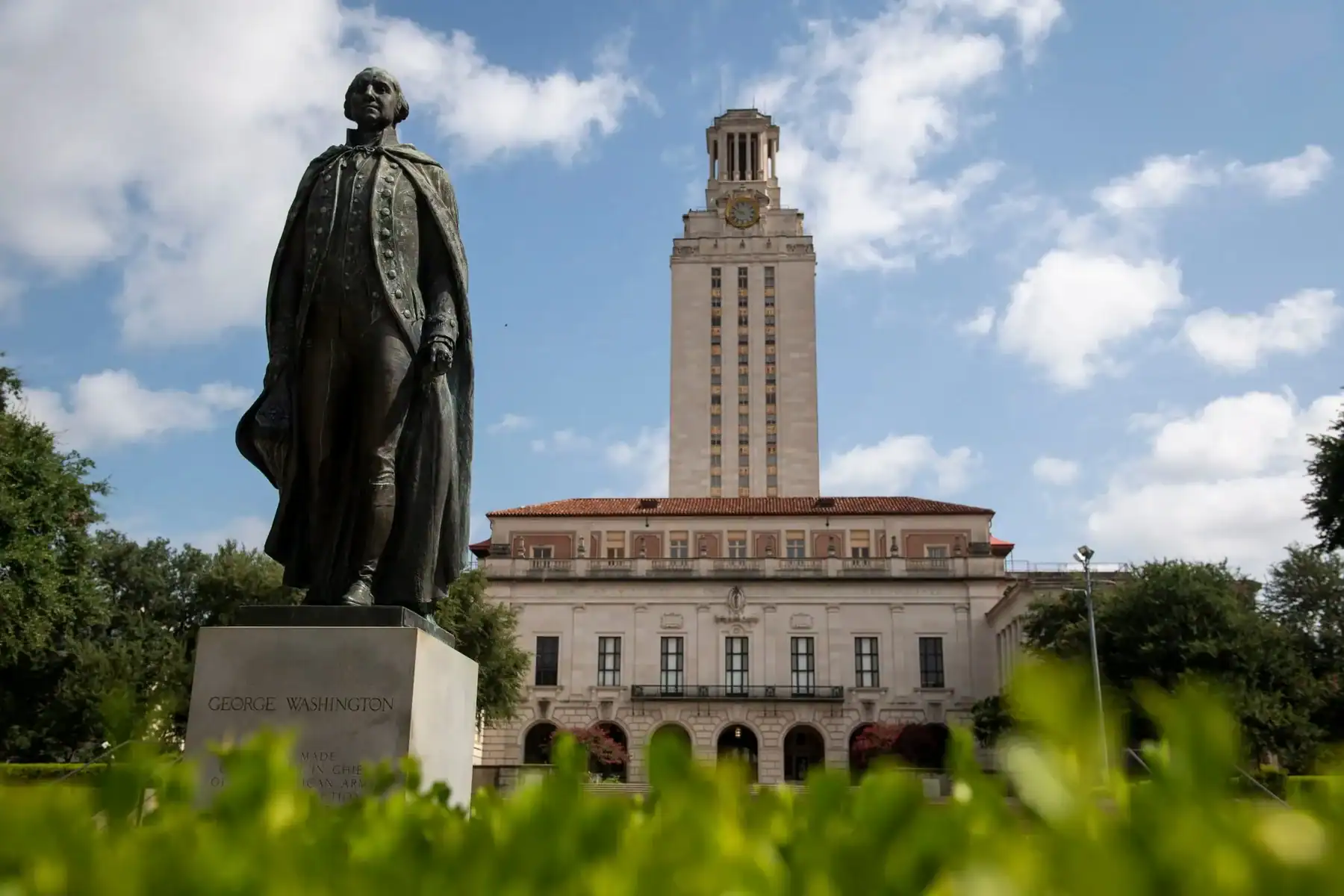
Academic Freedom and the Knight Institute Challenge
The 2026 legal climate is also defined by the ongoing appeal of the Coalition for Independent Technology Research. While a federal court previously dismissed a challenge to the TikTok ban in late 2023, the coalition—which includes UT Austin professors—filed for a U.S. Supreme Court review in March 2026. They contend that the ban “put a blindfold on researchers,” preventing them from studying the very disinformation and data-collection risks the state claims to oppose. This focus on “research integrity” is a national priority, also seen in the labor protections sought in the Wren Clair lawsuit and the reputational claims of the Brit Eady lawsuit.
Furthermore, the American-Arab Anti-Discrimination Committee (ADC) secured a major win on January 30, 2026, when a federal court allowed a lawsuit against UT Austin to move forward regarding the “viewpoint discriminatory” discipline of pro-Palestine protesters. Plaintiffs in that case allege that university officials monitored and suppressed student organizing conducted through encrypted chat apps. This struggle for “protected speech” is a significant development in 2026, mirroring the community protections sought in the Everglades immigration center lawsuit and the environmental safety mandates of the Utah Great Salt Lake lawsuit.
Conclusion: The Future of Campus Digital Sovereignty
The UT Austin chat apps lawsuit updates of 2026 serve as a definitive statement on the tension between state security mandates and individual constitutional rights. As the university continues to enforce UTS 200, the courts are increasingly being asked to decide if “security” justifies the near-total control of a student’s personal digital life. With the April 2026 appellate deadlines approaching, the outcome will dictate whether public universities remain open marketplaces of ideas or become highly filtered intranets. For more on how 2026 litigation is reshaping technology, civil rights, and corporate responsibility, explore our latest reports on the Wisconsin mobile voting lawsuit and the Jason Killinger Lawsuit.