TPS Venezuela Lawsuit 2026: Litigation Intensifies Over Termination Notices and Work Authorization
As of March 23, 2026, the legal battle over Temporary Protected Status (TPS) for Venezuelan nationals has reached a critical juncture in the federal appellate courts. Following the Ninth Circuit Court of Appeals decision in January 2026, which held that the Department of Homeland Security (DHS) exceeded its statutory authority by attempting to retroactively “vacate” prior TPS extensions, a new wave of filings has emerged. The case, National TPS Alliance v. Noem, remains the focal point for hundreds of thousands of beneficiaries whose legal status was abruptly terminated in early 2025. This struggle for “due process” and “statutory compliance” is a landmark 2026 issue, drawing parallels to the transparency mandates in the Google class action lawsuit 2025.
The Ninth Circuit Ruling and “Vacatur” Authority
The TPS Venezuela lawsuit saw a major development on January 28, 2026, when a three-judge panel of the Ninth Circuit affirmed that DHS Secretary Kristi Noem’s “Venezuela Vacatur” was unlawful. The court ruled that the TPS statute does not permit the government to simply “untangle” or cancel a valid extension once it has been finalized and published in the Federal Register. However, despite this ruling, the U.S. Supreme Court maintained a stay on the lower court’s injunction, meaning the termination remains technically in effect for many while the government prepares its final appeal. This focus on “administrative overreach” is a recurring 2026 theme, much like the technical liability arguments in the Krafton Subnautica 2 lawsuit and the administrative standards of the Maryland federal judges lawsuit.
For those impacted, the 2026 litigation highlights a split in eligibility. While the Ninth Circuit ruled against the government’s authority, the Supreme Court’s “interim docket” intervention has left the broader population in limbo. This struggle for “jurisdictional clarity” is a hallmark of 2026 immigration law, also seen in the jurisdictional friction of the Amazon refunds lawsuit.
March 2026: Work Authorization for the “Protected Subset”
In March 2026, USCIS issued updated guidance for employers regarding the specific subset of Venezuelans who still hold valid work authorization. According to the current protocols, individuals who re-registered under the January 17, 2025 extension and received documents (EADs) on or before February 5, 2025, with an expiration date of October 2, 2026, will maintain their status and work permit validity through that date. This procedural preservation of rights is a significant 2026 trend, also observed in the Lively Baldoni Swift text messages lawsuit and the technical audits of the Steven Bonnell Lawsuit.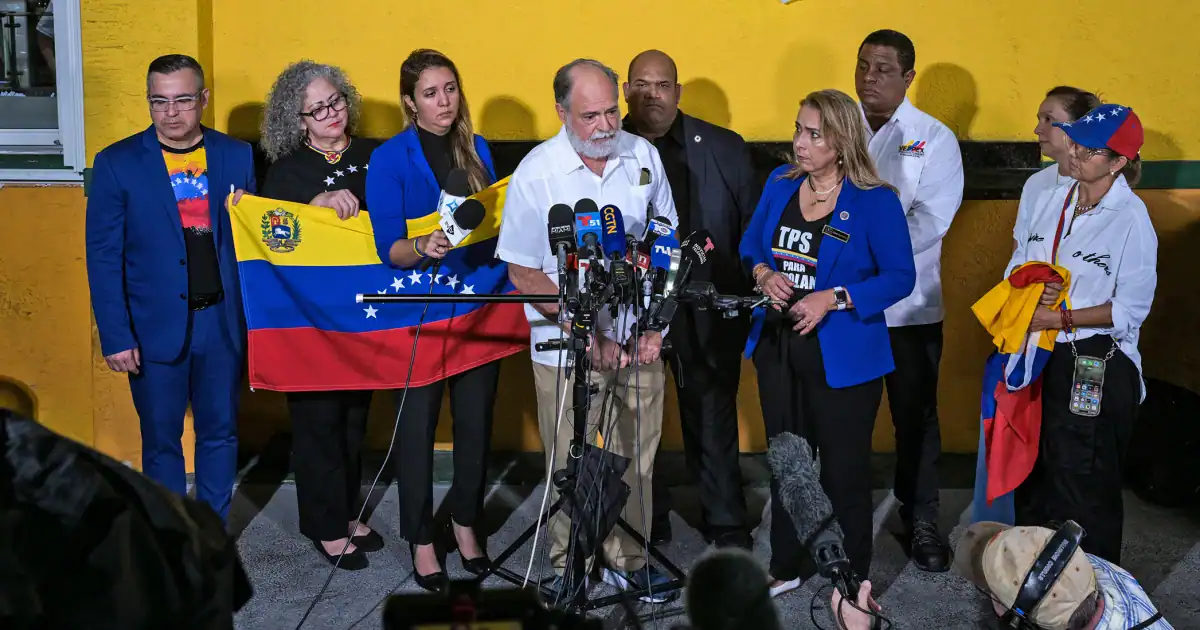
Automatic Extensions and the 540-Day Rule
A significant development for 2026 involves the automatic extension of certain Employment Authorization Documents (EADs). Under the district court’s standing orders in the Northern District of California, many EADs with original expiration dates in 2024 and 2025 have been automatically extended through April 2, 2026, pending the resolution of the litigation. Furthermore, those who filed timely renewals (Form I-765) before the February 2025 “shutdown” may qualify for a 540-day auto-extension. This focus on “maintaining employment eligibility” is a national priority, also seen in the labor protections sought in the Wren Clair lawsuit and the reputational claims of the Brit Eady lawsuit.
Additionally, on March 13, 2026, the Ninth Circuit formally rejected the government’s request for a rehearing en banc, solidifying the panel’s ruling that the DHS actions were arbitrary and capricious under the Administrative Procedure Act (APA). This focus on “fair agency action” is a significant development in 2026, mirroring the community protections sought in the Everglades immigration center lawsuit and the environmental safety mandates of the Utah Great Salt Lake lawsuit.
Conclusion: A Precedent for Humanitarian Protections
The TPS Venezuela lawsuit updates of 2026 serve as a definitive statement on the limits of executive power over humanitarian programs. As the case moves toward a potential showdown at the Supreme Court in late 2026, the status of nearly 500,000 Venezuelans hangs in the balance. For now, the “October 2, 2026” deadline remains the primary anchor for those who secured their documents before the policy shift. For more on how 2026 litigation is reshaping technology, civil rights, and corporate responsibility, explore our latest reports on the Wisconsin mobile voting lawsuit and the Jason Killinger Lawsuit.