Bad Bunny “La Casita” Lawsuit 2026: $1M Dispute Over Humacao Home Likeness
As of late March 2026, the legal battle between global superstar Bad Bunny (Benito Antonio Martínez Ocasio) and a Puerto Rican homeowner has entered a critical discovery phase in the San Juan Court of First Instance. The lawsuit, filed by 84-year-old widower Román Carrasco Delgado, alleges that the singer and his management team exploited the likeness of Delgado’s handmade home in Humacao without informed consent or fair compensation. The case has become a focal point in 2026 discussions regarding “digital property rights” and the protection of elderly citizens from predatory corporate practices. This struggle for transparency and fair dealing is a landmark 2026 issue, drawing parallels to the consumer protections sought in the Google class action lawsuit 2025.
The Origin of “La Casita”: From Private Home to Global Icon
The dispute centers on a salmon-colored house with yellow trim and a wraparound porch that Delgado built by hand in the 1960s. The property gained international fame after being featured in the short film for Bad Bunny’s 2025 album Debí Tirar Más Fotos. However, the conflict escalated when an exact, life-sized replica of the home—nicknamed “La Casita”—became the center-stage set piece for Bad Bunny’s record-breaking 30-concert residency at the Coliseo de Puerto Rico. The lawsuit argues that while Delgado received two checks totaling $5,200 for the initial filming, he never authorized the commercial replication of his home’s design for a global tour. This focus on “unauthorized appropriation” is a recurring 2026 theme, much like the intellectual property disputes in the Krafton Subnautica 2 lawsuit.
Delgado’s legal team, led by attorney Juan R. Dávila, claims that the homeowner—who cannot read or write—was “tricked” into signing contracts by being asked to sign a blank smartphone screen. The suit alleges these signatures were then “fraudulently” transferred to documents Delgado had never seen. This debate over “digital signature integrity” is a hallmark of 2026 litigation, also seen in the administrative standards of the Maryland federal judges lawsuit and the jurisdictional friction in the Amazon refunds lawsuit.
March 2026: Claims of Privacy Loss and “Illicit Enrichment”
Beyond the contract dispute, the Bad Bunny homeowner lawsuit seeks at least $1 million in damages for emotional distress and loss of privacy. Delgado testified in early 2026 that his quiet life in Humacao has been “shattered” as hundreds of fans visit his property daily to take selfies and record TikToks. He argues that his private residence has been transformed into a de facto tourist attraction from which he receives no benefit, while Bad Bunny and companies like Rimas Entertainment LLC have profited immensely from the home’s image. This focus on “reputational harm” and unwanted fame is a significant 2026 trend, also observed in the Lively Baldoni Swift text messages lawsuit.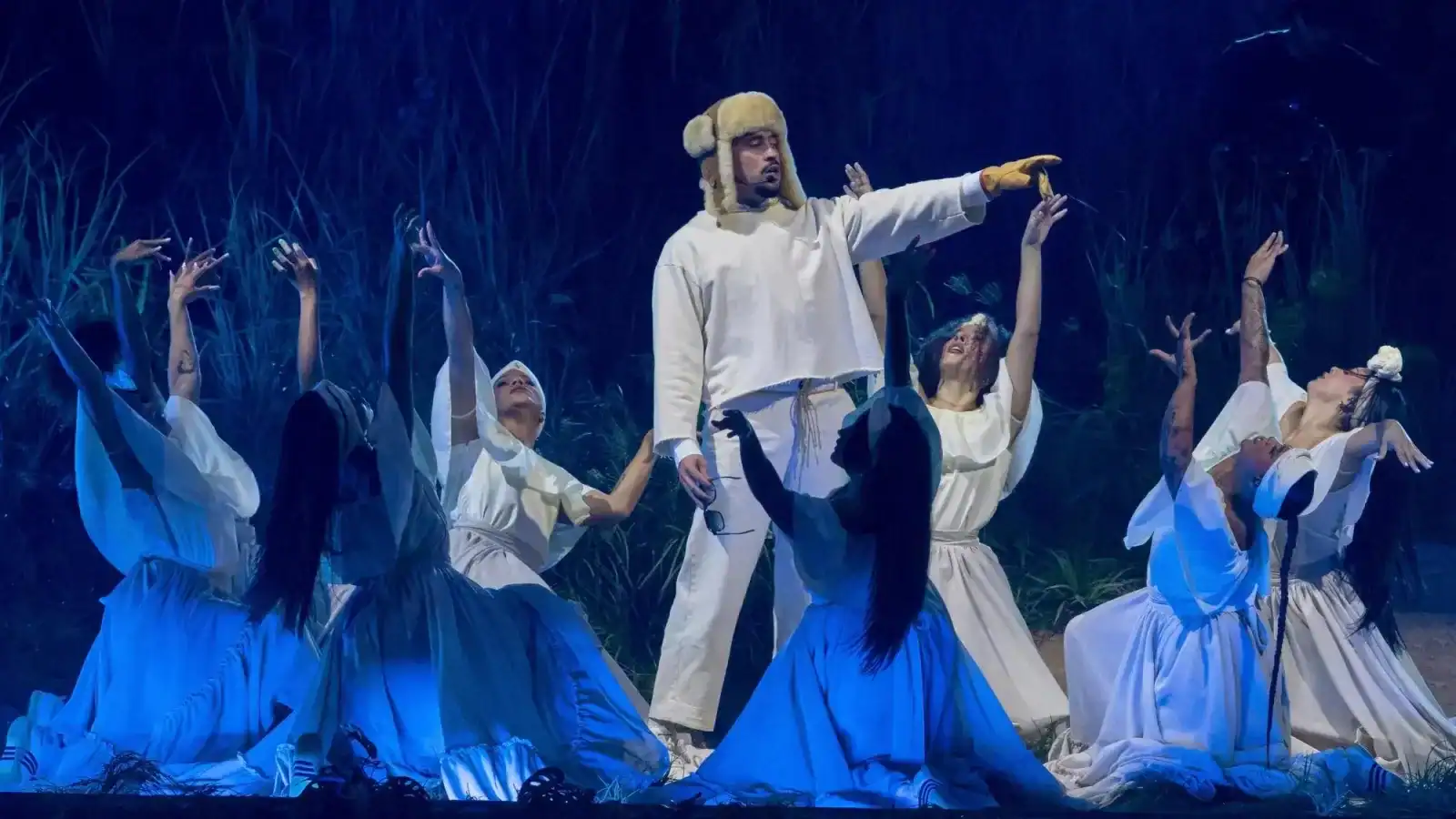
Broader Legal Context: Voice Rights and Image Protection
The “La Casita” case is not the only legal challenge facing the artist in 2026. In January 2026, a separate $16 million lawsuit was filed by Tainaly Serrano Rivera, alleging that her voice was used without permission in the iconic “Mira, puñeta…” tag featured on multiple tracks. These concurrent cases suggest a systemic issue with how the artist’s production team handles informal collaborations. The push for “moral rights of attribution” is a national priority in 2026, also seen in the labor protections sought in the Wren Clair lawsuit and the technical audits in the IVP Pump employees lawsuit settlement.
As Bad Bunny prepares for his 2026 global tour, legal analysts suggest that the “La Casita” lawsuit may force a redesign of his stage sets or a significant out-of-court settlement to avoid further negative publicity during his headline-making year, which included a Super Bowl LX halftime performance. The financial and reputational stakes are high, as the case highlights the tension between “celebrating Puerto Rican culture” and the “commercial exploitation” of its residents. This cultural sovereignty debate is a landmark 2026 development, mirroring the privacy concerns in the Steven Bonnell Lawsuit and the community protections sought in the Everglades immigration center lawsuit.
Conclusion: A Test Case for Individual Property Rights
The Bad Bunny “La Casita” lawsuit of 2026 serves as a definitive statement on the rights of individuals whose lives are swept up in the vortex of global celebrity. It reinforces the principle that “consent” must be informed, accessible, and fairly compensated—regardless of the fame of the parties involved. As the San Juan court reviews the digital signature evidence this spring, the outcome could set a global precedent for how the likeness of private property is used in the entertainment industry. For more on how 2026 litigation is reshaping technology, civil rights, and corporate responsibility, explore our latest reports on the Wisconsin mobile voting lawsuit and the Jason Killinger Lawsuit.