Samsung Galaxy S22 Lawsuit Update 2026: GOS Settlement Finalized and New “Bricking” Claims
As of late March 2026, the legal landscape for the Samsung Galaxy S22 series has reached a historic turning point. After four years of intense litigation, a South Korean high court has officially brought the Samsung GOS lawsuit to a close through a finalized settlement. However, as one legal battle ends, another has intensified in the United States, where a new class action focuses on “catastrophic” software updates that have reportedly rendered devices inoperable. These developments highlight a 2026 trend of consumer-driven accountability in the tech sector, much like the transparency mandates sought in the Google class action lawsuit 2025.
The GOS Settlement: A Four-Year Victory for Performance Disclosure
On March 19, 2026, the Seoul High Court finalized a “compulsory mediation” decision in the long-running dispute over Samsung’s Game Optimizing Service (GOS). The lawsuit, originally filed in March 2022 by a group of 1,882 consumers, alleged that Samsung misled buyers by failing to disclose that GOS would throttle the performance of over 10,000 apps to manage heat and battery life. Crucially, the software did not throttle benchmark apps, leading to accusations that Samsung “gamed” performance scores. This debate over “algorithmic honesty” is a landmark 2026 issue, drawing parallels to the corporate liability arguments in the Krafton Subnautica 2 lawsuit.
Under the terms of the finalized 2026 settlement, Samsung has agreed to pay an undisclosed amount in compensation to the original plaintiffs. While a lower court had previously acknowledged that Samsung’s marketing was “potentially misleading” but denied damages, the appellate court’s mediation mandate effectively holds the company financially responsible. This victory for consumer disclosure follows a public apology from Samsung executives and the release of software updates that now allow users to disable GOS. The push for such “right to control” features is a recurring theme in 2026, also seen in the data sovereignty claims of the Amazon refunds lawsuit.
March 2026: The “Bootloop” Class Action Intensifies
While the GOS issue has been resolved in Korea, a separate Samsung Galaxy S22 “bricking” lawsuit (Ramnath et al. v. Samsung Electronics America Inc.) is gaining significant momentum in New York federal court as of March 2026. The complaint alleges that an October 2024 software update (One UI 6.1.1) and a subsequent February 2026 patch have caused widespread “bootloop” defects, leaving phones stuck on the Samsung logo or completely dead. Plaintiffs argue that Samsung knew of the update’s potential to “short out” internal motherboards but released it anyway to force upgrades to newer models like the Galaxy S26. This focus on “forced obsolescence” mirrors the industrial overreach arguments in the Maryland federal judges lawsuit.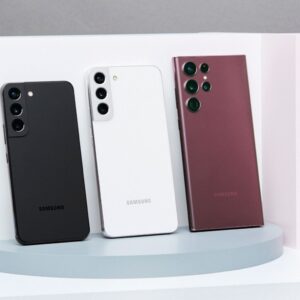
Display Issues and “Green Line” Remedies
Beyond the performance and software stability lawsuits, Samsung is also navigating a wave of display-related complaints in 2026. Many S22 Ultra users have reported the sudden appearance of permanent green or pink vertical lines following security updates. In response to mounting legal pressure and the threat of a multi-district litigation (MDL) filing, Samsung India officially extended its “One-Time Free Display Replacement” program through July 2026 for eligible S22 devices. However, this program has faced criticism for strict “three-year from purchase” limits that exclude many launch-day buyers. This struggle for repair rights is a national priority, also seen in the environmental safety mandates of the Utah Great Salt Lake lawsuit and the labor protections sought in the Wren Clair lawsuit.
The financial impact of these collective legal challenges is expected to be substantial. Between the GOS payouts and the potential for a massive U.S. settlement regarding the bootloop defects, analysts suggest Samsung may face hundreds of millions in liabilities. Furthermore, the reputational damage is compounded by the fact that the S22 is increasingly viewed by legal experts as a “litigation magnet” for the company. This reputational risk is a significant trend in 2026, also observed in the Lively Baldoni Swift text messages lawsuit and the Candace Owens Macron lawsuit.
Conclusion: A Cautionary Tale for Flagship Longevity
The Samsung Galaxy S22 lawsuit updates of 2026 serve as a definitive statement on the “duty of care” tech giants owe to their long-term users. Whether it is disclosing performance throttling or ensuring update stability, the courts are increasingly siding with the principle that a $1,000 device should remain functional for its advertised lifespan. For more on how 2026 litigation is reshaping technology, digital rights, and corporate responsibility, explore our latest reports on the Wisconsin mobile voting lawsuit and the Everglades immigration center lawsuit.