Vending Machine Class Action Lawsuit: 2026 Settlement Updates for Canteen Customers
If you have used a credit or debit card at a vending machine recently, you may be entitled to a cash payment. The vending machine class action lawsuit against Compass Group USA, doing business as Canteen, reached a pivotal milestone with a final approval hearing on January 9, 2026. The lawsuit alleged that Canteen failed to inform consumers that its machines charged a higher price for card transactions than the price displayed on the machine. With nearly 230,000 machines impacted, this case represents one of the largest consumer fraud settlements in the automated retail industry.
The Allegations: Hidden “Swipe Fees” and Consumer Deception
The core of the vending machine class action lawsuit involves “undisclosed surcharges.” Plaintiffs argued that Canteen machines displayed one price (e.g., $1.75 for a soda) but charged a higher amount (e.g., $1.85 or $2.00) when a payment card was swiped. While many merchants apply a small fee to offset credit card processing costs, the lawsuit claimed Canteen violated the Illinois Consumer Fraud and Deceptive Business Practices Act and similar laws in California and Missouri by not placing “cash discount” stickers or digital disclosures on the machines at the time of purchase.
This lack of transparency is a recurring theme in 2026 litigation, echoing the “hidden fee” arguments found in the Capital One interest rates lawsuit. In the Canteen case, the court ruled that consumers have a right to know the final price of a product before completing a transaction, regardless of the payment method. For more on how these corporate disclosures are being tested, see our coverage of the Google class action lawsuit 2025 developments.
Settlement Details: Who is Eligible for a Payout?
The $6.94 million settlement fund is intended to reimburse millions of customers who used Canteen machines between 2014 and July 9, 2025. To be eligible for a payment, a consumer must have made a purchase using a credit, debit, or prepaid card at a “Subject Vending Machine”—defined as a machine that did not have a clear “cash discount” sticker at the time of the sale.
Individual rewards in the vending machine class action lawsuit are tiered based on the frequency of use. According to the settlement administrator, payments are expected to range from $30 to $360. As of March 2026, initial checks have already begun arriving for claimants in states like Washington and Illinois, though many users have reported smaller-than-expected amounts due to high claim volume. This mirrors the distribution challenges seen in the Walmart class action lawsuit 2025 settlement.
The Facial Recognition Controversy: Privacy Violations in Vending
While the Canteen case focuses on financial overcharges, a new wave of vending machine class action lawsuits involving biometric privacy has emerged in 2026. This follows the 2024 scandal at the University of Waterloo, where a “smart” vending machine malfunctioned and revealed it was running a hidden “FacialRecognition.App.exe” program. Students discovered that Invenda-manufactured machines were using sensors to track demographic data—such as age and gender—without consent.
In 2025 and early 2026, several law firms have initiated class actions under the Biometric Information Privacy Act (BIPA), alleging that these machines capture “facial geometry” data. Unlike the Canteen case, these privacy-focused lawsuits could result in statutory damages of up to $5,000 per violation. This shift toward biometric accountability is a major trend in 2026, similar to the personal identity protections sought in the Lexi Love lawsuit.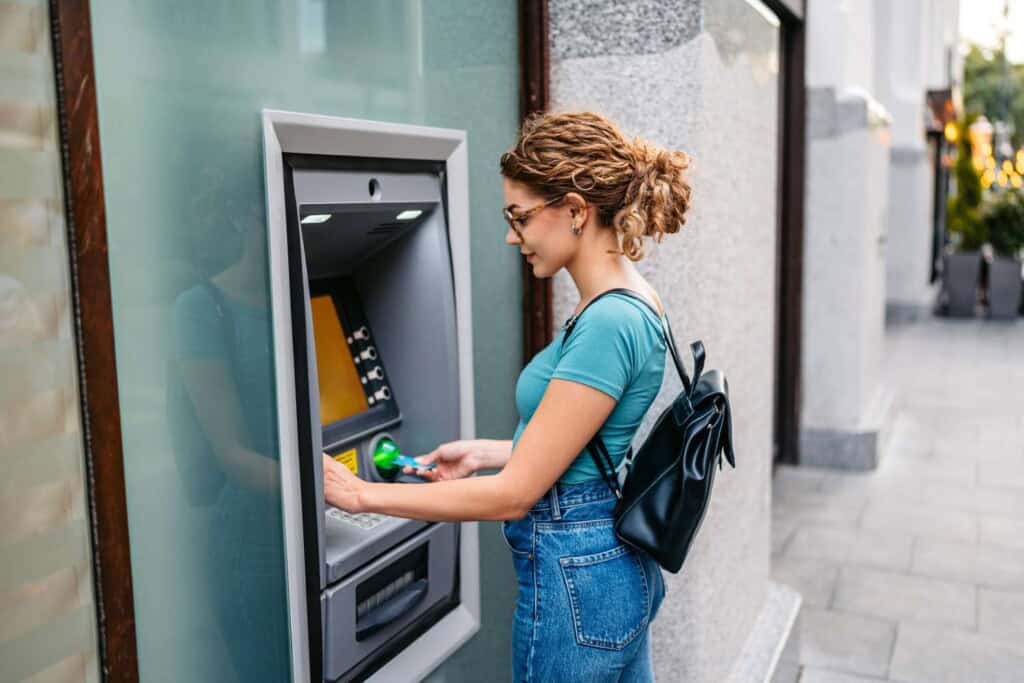
ADA Compliance: A Third Front for Vending Litigation
In addition to overcharges and privacy, vending machine operators are facing increased scrutiny over ADA (Americans with Disabilities Act) compliance. New 2026 filings allege that many modern “touchscreen-only” machines are inaccessible to visually impaired individuals because they lack tactile buttons or audible screen readers. This highlights a broader push for digital accessibility that has also impacted media platforms, as seen in the The View lawsuit Leavitt discussions regarding media access.
Active 2026 Deadlines and Payout Tiers
| Purchases Made | Estimated Payout | Notes |
|---|---|---|
| 1 – 250 | $30.00 | Most common claim tier. |
| 251 – 1,000 | $60.00 – $150.00 | Requires digital receipt history. |
| 2,500+ | $360.00 | Maximum possible award. |
Conclusion
The vending machine class action lawsuit against Canteen serves as a major victory for consumer transparency. As the $6.94 million fund is distributed throughout 2026, it sends a clear message to the automated retail industry: hidden “card convenience” fees are no longer acceptable. However, as “smart” machines continue to integrate facial detection and touch-only interfaces, the next decade of vending litigation will likely shift from the pocketbook to the face, as privacy and accessibility become the new legal battlegrounds.