Phil McGraw TBN Lawsuit 2026: Merit Street Media Liquidation and $500 Million Fraud Allegations
As of March 23, 2026, the scorched-earth legal battle between television icon Dr. Phil McGraw and the Trinity Broadcasting Network (TBN) has escalated into a complex web of bankruptcy liquidations and high-stakes fraud litigation. What began as a $500 million partnership to launch Merit Street Media (MSM) in early 2024 has completely collapsed into a multi-front war in the U.S. Bankruptcy Court for the Northern District of Texas. Following a landmark ruling in late 2025, the court has officially converted the Merit Street bankruptcy into a Chapter 7 liquidation, effectively ending McGraw’s attempt at a structured reorganization. This battle over “corporate sabotage” and “fraudulent inducement” is a landmark 2026 issue, drawing parallels to the transparency mandates in the Google class action lawsuit 2025.
The Collapse: From $500 Million Vision to Chapter 7 Liquidation
The Phil McGraw TBN lawsuit represents the definitive failure of a 10-year distribution agreement that once promised to revolutionize faith-based and talk-show programming. Merit Street Media filed for Chapter 11 bankruptcy on July 2, 2025, alleging that TBN “sabotaged” the network by intentionally withholding national distribution payments and providing “comically dysfunctional” production services. However, in October 2025, Judge Scott W. Everett converted the case to Chapter 7, citing an “anomaly” in how McGraw handled the company’s assets. The judge noted that McGraw appeared to be shifting resources to a new venture, Envoy Media, while leaving creditors behind. This focus on “asset protection” and “debt avoidance” is a recurring 2026 theme, much like the technical liability arguments in the Krafton Subnautica 2 lawsuit and the consumer redress sought in the Amazon refunds lawsuit.
Under the 2026 liquidation proceedings, a court-appointed trustee is now tasked with selling off Merit Street’s remaining assets to satisfy over $100 million in liabilities. This struggle for “creditor restitution” is a hallmark of 2026 corporate law, also seen in the administrative standards of the Maryland federal judges lawsuit.
March 2026 Status: TBN’s Fraud Countersuit and the “Gangster Move”
In a major update from March 19, 2026, TBN has intensified its countersuit against McGraw and his production company, Peteski Productions. TBN alleges that McGraw engaged in a “years-long fraudulent scheme” to fleece the Christian broadcaster. The network claims McGraw never intended to deliver the 160 new episodes of Dr. Phil promised in their agreement and instead used TBN’s $100 million infusion to fund personal luxuries, including a private helipad and a company airplane. Discovery revealed a text message where McGraw allegedly described a maneuver to dilute TBN’s ownership from 70% to 30% as a “gangster move.” This procedural momentum mirrors the discovery battles seen in the Chobani endocrine lawsuit and the final stages of the IVP Pump employees lawsuit settlement.
The PBR Involvement and the $181 Million Claim
A significant development in 2026 involves the Professional Bull Riders (PBR), which joined TBN in opposing McGraw’s bankruptcy strategy. PBR claims that Merit Street Media reneged on a lucrative broadcasting deal after only five months, leaving the organization with $181 million in unpaid contracts. The bankruptcy court’s decision to move to Chapter 7 was seen as a major victory for PBR, as it prevents McGraw from using bankruptcy as a “shield” to avoid these specific contractual obligations. This focus on “contractual integrity” is a national priority in 2026, also seen in the labor protections sought in the Wren Clair lawsuit and the reputational claims of the Brit Eady lawsuit.
Furthermore, in January 2026, Peteski Productions filed an immediate appeal against the liquidation order, claiming that McGraw has been the victim of “TBN’s mismanagement.” They argue that McGraw personally funded millions to protect employee salaries after TBN walked away from its commitments. This struggle for “digital and financial sovereignty” is a significant 2026 trend, also observed in the Lively Baldoni Swift text messages lawsuit and the technical audits of the Steven Bonnell Lawsuit.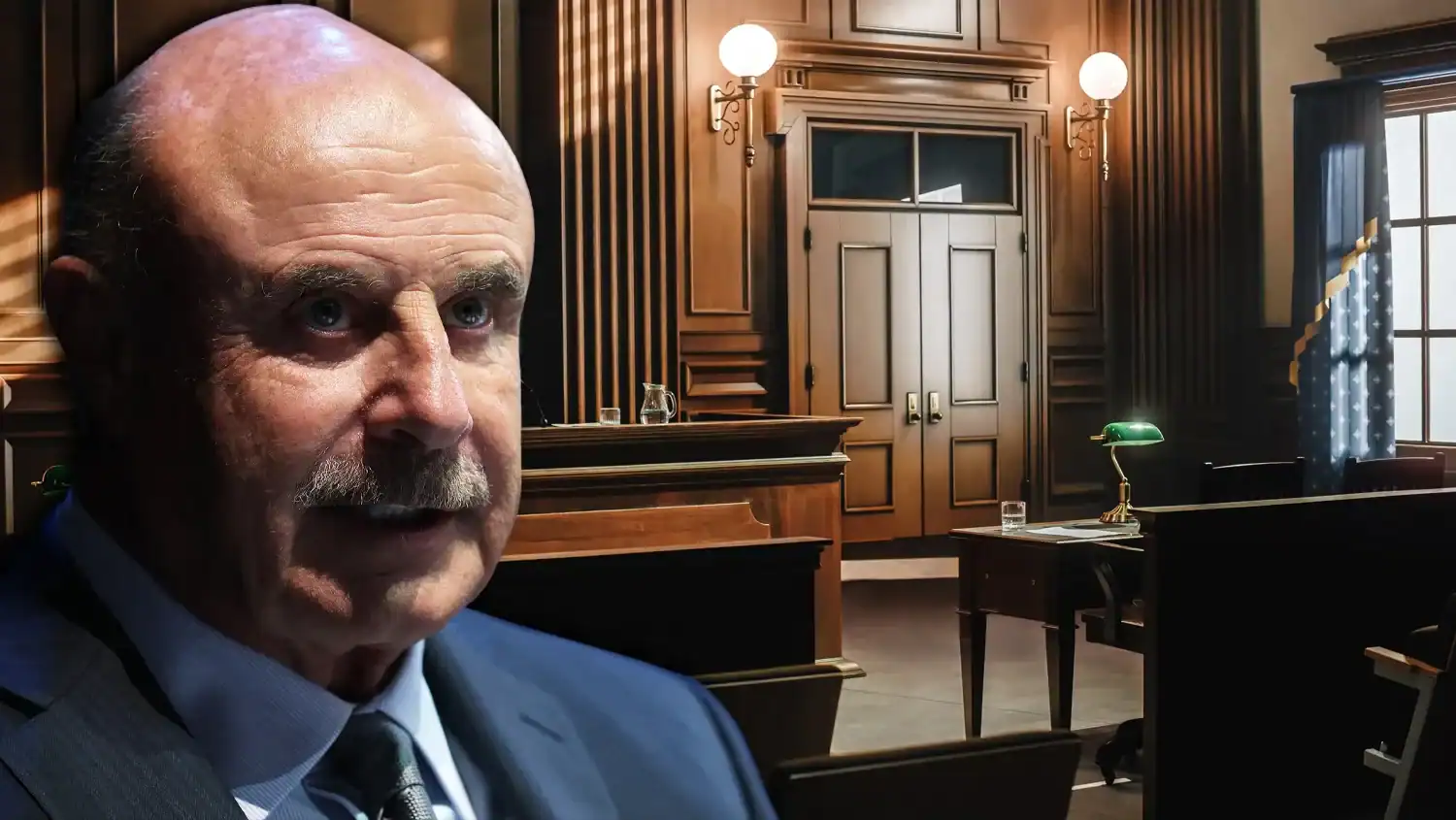
National Implications for Media Joint Ventures in 2026
The Phil McGraw TBN lawsuit updates serve as a definitive statement on the risks of high-valuation media partnerships. The case has exposed the “vulnerability of distribution-heavy models” in an era where streaming and FAST channels dominate. Legal experts in 2026 have noted that the “Dr. Phil model” of relying on legacy cable distribution may be permanently broken. This “systemic industry shift” is a significant development, mirroring the community protections sought in the Everglades immigration center lawsuit and the environmental safety mandates of the Utah Great Salt Lake lawsuit.
Additionally, the litigation has prompted the U.S. Trustee to investigate allegations of “evidence destruction” regarding deleted text messages on McGraw’s phone. This “accountability for digital discovery” is a national priority, also seen in the regulatory updates of the Wisconsin mobile voting lawsuit and the California emissions standards lawsuit.
Conclusion: The Future of Envoy Media and the Dr. Phil Brand
The Phil McGraw vs. TBN lawsuit serves as a cautionary tale for celebrity-driven networks. While the Merit Street brand faces total liquidation in 2026, the focus now turns to whether McGraw can successfully launch his new venture, Envoy Media, without being haunted by the liabilities of the past. As the federal court continues to unravel the “fraudulent inducement” claims throughout the summer of 2026, the outcome will define the legacy of one of television’s most powerful figures. For more on how 2026 litigation is reshaping technology, civil rights, and corporate responsibility, explore our latest reports on the Alien Enemies Act Lawsuit and the Celestial Seasonings natural claims lawsuit.